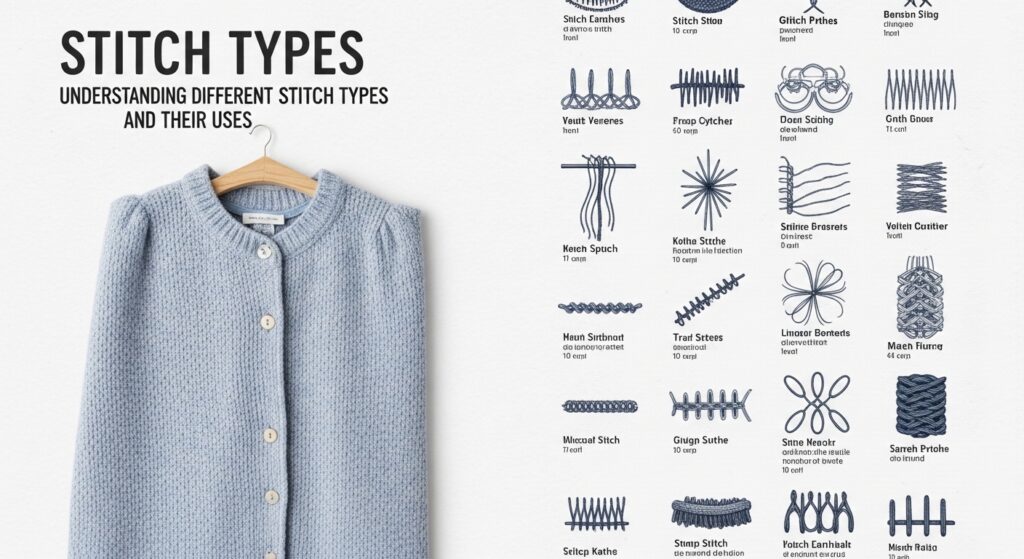
Nahttypen: Understanding Different Stitch Types and Their Uses
When it comes to sewing and embroidery, understanding the different Nahttypen—or stitch types—can elevate your projects from ordinary to extraordinary. Each type of stitch serves a unique purpose, whether you’re aiming for functionality or sheer aesthetic appeal. From basic stitches that form the foundation of any sewing project to intricate decorative styles that add flair, there’s a wealth of options to explore. Dive into this guide as we unravel the world of Nahttypen, helping you choose just the right stitch for your creative endeavors!
Basic Stitches: Straight, Back, and Running Stitch
Basic stitches form the foundation of all sewing projects. Among them, the straight stitch is the most fundamental. It’s versatile and strong, making it perfect for Nahttypen seams and hems.
Next up is the back stitch. This one adds durability to your work, as it creates a solid line by going backward after each forward movement. It’s great for outlining shapes in embroidery or reinforcing seams that experience stress.
The running stitch offers a different style altogether. By creating a series of small stitches in a continuous line, it allows fabric to gather or create delicate designs.
These basic stitches are essential tools every crafter should master. They not only enhance your skills but also open doors to countless creative possibilities across various projects.
Decorative Stitches: Chain, Cross, and Blanket Stitch
Decorative stitches can elevate any sewing project, adding flair and character. Among these, the chain stitch stands out for its looped design. This stitch creates a beautiful chain-like effect that is perfect for outlining shapes or creating intricate borders.
The cross stitch is another favorite among crafters. Its X-shaped pattern not only adds texture but allows for vibrant color combinations. This versatile technique works wonderfully on various fabrics, making it ideal for both embroidery and quilting projects.
Then we have the blanket stitch, known for its functional beauty. Often used to finish edges of fabric, this stitch prevents fraying while offering a decorative touch. It’s especially popular in appliqué work and can be easily adapted to suit different styles.
These decorative stitches are more than mere embellishments; they bring life to your creations through artistic expression.
Specialty Stitches: French Knot, Bullion Knot, and Feather Stitch
Specialty stitches add a unique flair to your sewing and embroidery projects. Among these, the French Knot stands out for its charming texture. This stitch creates small, raised dots that can be used as embellishments or to depict flowers.
The Bullion Knot is another fascinating option. It involves wrapping thread around the needle multiple times before pulling it through fabric. The result is a luxurious, rope-like effect that’s perfect for adding dimension to your designs.
Feather Stitch offers an elegant touch with its elongated zigzag pattern. It’s often used in borders or as fill stitches, creating a lovely visual impact while remaining simple enough for beginners.
Each of these specialty stitches brings character and depth to your work, elevating even the simplest projects into eye-catching masterpieces. Experimenting with them opens doors to creativity you might not have imagined!
Applications of Different Stitch Types in Sewing and Embroidery
Different stitch types serve various purposes in sewing and embroidery, enhancing both functionality and aesthetics.
Straight stitches are the backbone of most projects. They provide strong seams for garments and home décor items. Their reliability makes them a staple in any sewing kit.
Back stitches offer extra durability, perfect for areas that endure stress or movement. They’re often used in hand-sewn hems or securing layers together.
When it comes to decorative elements, chain and cross stitches shine brightly. Chain stitches add texture to designs while cross stitches create intricate patterns on fabric, making them ideal for embellishing quilts or creating wall art.
Specialty stitches like French knots bring a three-dimensional quality to your work. They excel at adding detail to floral designs or crafting unique finishes on clothing.
Understanding these applications enables you to choose the right stitch type, ensuring your project stands out beautifully while remaining functional.
Tips for Choosing the Right Stitch Type for Your Project
Choosing the right stitch type can elevate your sewing or embroidery project. Start by considering the fabric you’re working with. Lightweight fabrics often require finer stitches, while heavier materials need more robust options.
Think about the purpose of your project. For functional items like bags and clothing, opt for durable stitches like straight or backstitch. If you’re aiming for decorative flair, explore options such as chain or blanket stitches that add visual interest.
Don’t forget to factor in time and skill level. Some specialty stitches may look impressive but can be time-consuming and complicated for beginners.
Always test a few stitch types on scraps before committing to your final piece. This trial will help you visualize how each option interacts with your chosen materials, ensuring a polished finish every time.
Conclusion
Understanding Nahttypen is essential for anyone interested in sewing and embroidery. Each stitch type serves a unique purpose, enhancing both functionality and aesthetics in your projects. From the basic stitches that provide structure to decorative ones that add flair, knowing when and how to use them can elevate your craft.
Choosing the right stitch type involves considering the fabric, purpose of your project, and personal style. Experimenting with different stitches will not only improve your skills but also inspire creativity. Whether you’re mending clothes or creating intricate designs, familiarizing yourself with these Nahttypen will open up endless possibilities for your sewing adventures.
Dive deeper into each stitch type as you explore new techniques and patterns. The world of stitching is vast; let it be a canvas for expressing your ideas and talents through fabric!