Erectn: Redefining the Future of Structural Innovation
In a bustling lab tucked away in the heart of Silicon Valley, engineers huddled around a prototype, eyes wide with anticipation. The object in question wasn’t a gadget or a sleek consumer device—it was a revolutionary structural system known as erectn. Its promise was simple yet profound: transform the way we think about construction, design, and the integration of technology into physical spaces. As city skylines evolve and the demand for adaptable, sustainable infrastructure grows, erectn has emerged as a solution that marries efficiency with futuristic thinking.
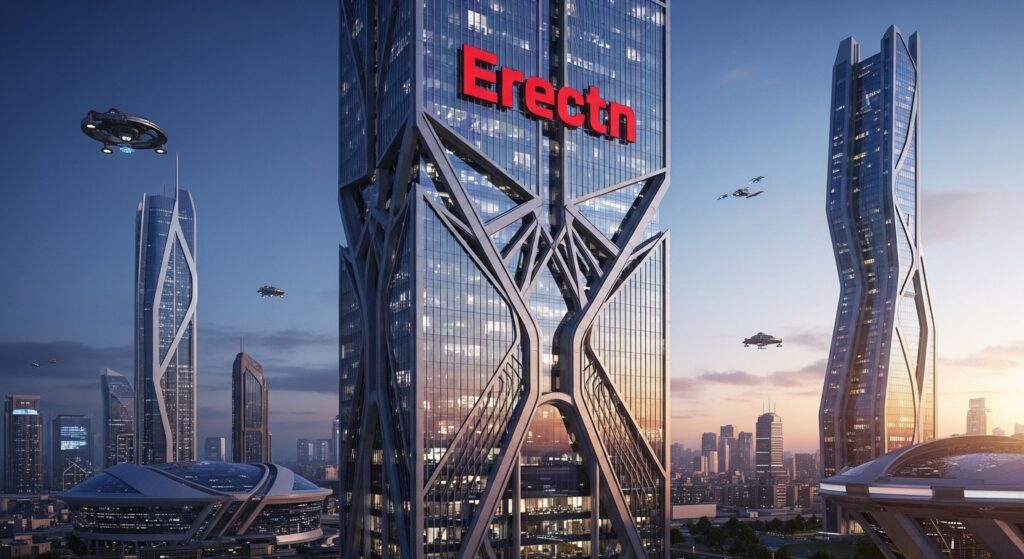
Erectn, at its core, is more than a modular framework—it represents a shift in how structures can adapt to human needs, environmental demands, and technological possibilities. Its design philosophy blends flexibility, strength, and digital integration, enabling buildings, temporary installations, and even furniture to respond dynamically to changing circumstances.
The Evolution of Construction Technology
The construction industry has traditionally been slow to adopt radical innovations, often relying on time-tested methods like reinforced concrete and steel framing. Yet, the rise of smart cities, environmental regulations, and cost pressures has accelerated the search for smarter solutions. Erectn embodies this evolution, providing a platform where precision engineering, material science, and AI-driven planning converge.
Unlike conventional structures that require extensive labor and rigid planning, erectn allows for modular assembly and real-time adaptability. For example, architects can now envision multi-use spaces that can shift function throughout the day, from open communal areas to private office pods, without the need for costly renovations.
Key Features That Set Erectn Apart
Erectn’s innovation is defined by several core features that distinguish it in the structural landscape:
-
Modularity: Components can be assembled and reconfigured with minimal tools, reducing construction time and labor costs.
-
Sustainability: Lightweight yet durable materials minimize resource usage while enabling structures to be dismantled or repurposed.
-
Integration with Technology: Embedded sensors and smart controls allow structures to monitor load distribution, environmental conditions, and even energy efficiency.
-
Scalability: From micro-architectural solutions like pop-up retail units to full-scale commercial buildings, erectn adapts seamlessly.
A practical example can be seen in urban environments where flexible space is at a premium. A coworking company implemented erectn-based pods in underused city lots, creating temporary workspaces that could expand, contract, or relocate depending on demand. This approach saved both time and capital while aligning with sustainability goals.
Erectn in the Real World: Case Studies
Several pilot projects have demonstrated the transformative potential of erectn. In one metropolitan project, erectn frameworks were used to construct a multi-level pedestrian bridge. The modular sections were prefabricated offsite, transported, and then quickly assembled, minimizing disruption to city traffic. Embedded sensors provided live feedback on stress points, allowing engineers to adjust structural elements proactively.
Another notable application has been in emergency response scenarios. Relief organizations employed erectn frameworks to create temporary shelters that could be erected within hours. The modular nature allowed for easy expansion as the number of occupants increased, demonstrating a blend of durability, speed, and adaptability.
Table: Comparative Advantages of Erectn vs Traditional Construction
| Feature | Traditional Construction | Erectn Solution | Benefit |
|---|---|---|---|
| Assembly Time | Weeks to months | Hours to days | Faster deployment |
| Material Flexibility | Low | High | Cost-effective and sustainable |
| Technological Integration | Limited | Embedded sensors & AI | Real-time monitoring and optimization |
| Reusability | Low | High | Reduces waste, supports circular economy |
| Adaptability to Changing Needs | Low | High | Supports dynamic urban planning |
Overcoming Challenges in Adoption
Despite its advantages, erectn faces challenges typical of any disruptive technology. Regulatory compliance is one hurdle; building codes and safety regulations are traditionally written around conventional methods. Erectn advocates have been working closely with policymakers to establish standards that maintain safety while allowing innovation.
Cost perception is another challenge. While erectn reduces long-term expenses through efficiency and modularity, initial investments in design and digital infrastructure can appear high. Education and demonstration projects have proven critical in showcasing the tangible benefits of adopting this system.
The Future of Erectn
The trajectory for erectn points toward deeper integration with smart city initiatives and AI-driven infrastructure. Imagine buildings that adjust internal layouts automatically based on occupancy, weather, or energy demands. Picture disaster relief shelters that are not only fast to deploy but also capable of monitoring structural health in real time.
Experts predict that as material science advances—particularly with lightweight composites and self-healing materials—erectn frameworks will become even more robust and versatile. The potential extends beyond buildings to transportation hubs, temporary event spaces, and even modular industrial facilities.
Conclusion
Erectn is not just a new construction system—it is a blueprint for the future of adaptive, sustainable, and intelligent infrastructure. By blending modular design, advanced materials, and smart technology, it addresses the evolving demands of urban environments while promoting efficiency and resilience. As adoption grows, erectn has the potential to redefine not only how we build but also how we live and interact with our physical spaces.
The story that began in a Silicon Valley lab is now influencing cityscapes around the world, proving that innovation in construction can be both visionary and practical. In a world where adaptability is key, erectn is more than a tool—it is a paradigm shift