
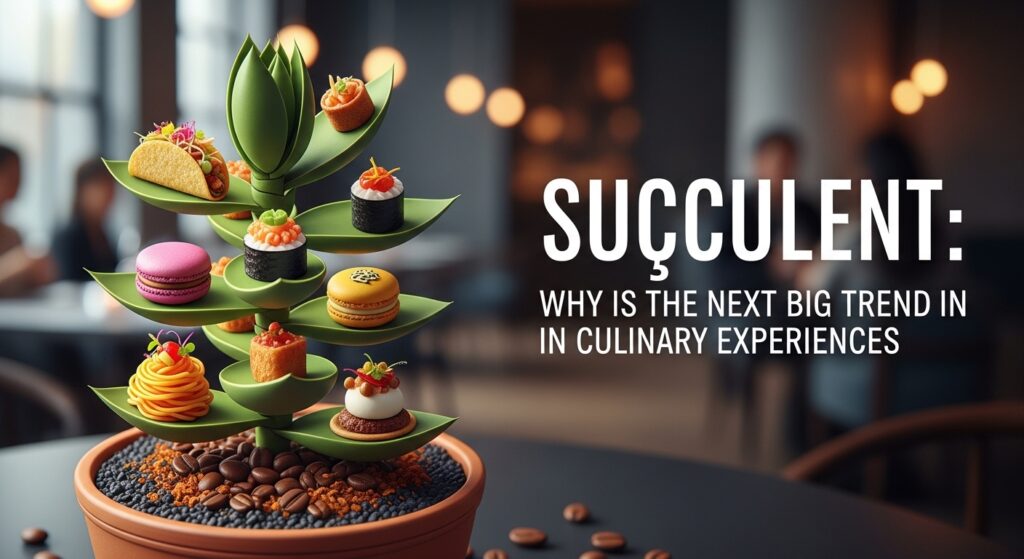
Suçculent: Why is the Next Big Trend in Culinary Experiences
Imagine biting into a dish that not only looks stunning but also tantalizes your taste buds. Welcome to the world of suçculent—a culinary trend that’s taking food lovers by storm. These vibrant, fleshy plants, traditionally admired for their beauty in gardens and homes, are now making waves on our plates. With their unique textures and flavors, succulents are transforming the way we think about food. As more chefs experiment with these delightful greens, we’re entering an exciting new chapter in gastronomy that promises both health benefits and creative possibilities. Get ready to discover why suçculent dishes are destined to become your next favorite culinary adventure!
The Rising Popularity of Succulent-Based Dishes
Succulent-based dishes are making waves in culinary circles. Chefs and home cooks alike are discovering the vibrant flavors and striking textures that succulents can bring to their plates.
Restaurants across the globe have begun featuring these plants as star ingredients. From appetizers to desserts, succulent garnishes add a refreshing twist that captures diners’ attention. Their unique appearance makes for stunning presentations that elevate any dish.
Food enthusiasts are eager to experiment with new ingredients. As they seek out plant-based options, succulents fit perfectly into this trend. Many find them intriguing not just for their taste but also for the story behind each bite.
Social media plays a crucial role in this rise too. Stunning photos of succulent-infused meals flood platforms like Instagram, inspiring others to recreate these edible masterpieces at home. The combination of flavor and visual appeal is hard to resist, creating a buzz around this green trend.
The Health Benefits of Eating Succulents
Succulents are more than just beautiful plants; they offer impressive health benefits. Many varieties, like aloe vera and purslane, contain essential vitamins and minerals that promote overall well-being.
Aloe vera is famous for its soothing properties. Consuming it can aid digestion and improve skin health from the inside out. Its gel-like texture adds a unique twist to smoothies or salads.
Purslane, another edible succulent, is rich in omega-3 fatty acids. This nutrient is vital for heart health as it helps reduce inflammation and supports brain function.
Additionally, succulents often have high water content. This makes them hydrating options during warm months or after workouts.
Incorporating these plants into your meals not only enhances flavor but also boosts nutritional value significantly. Each bite offers a refreshing taste combined with an array of wellness advantages waiting to be discovered.
Creative Ways to Incorporate Succulents into Your Meals
Succulents are more than just beautiful plants; they can add a unique twist to your culinary creations. Start with decorative garnishes. Use small, edible succulents like Sedum or Purslane for vibrant color on salads and main dishes.
Consider blending succulent leaves into smoothies for an unexpected flavor boost. Their mild taste complements fruits well, making them a refreshing addition.
For adventurous chefs, try infusing oils with succulent extracts. This oil can elevate dressings or marinades, providing an earthy note that enhances various meals.
Baking enthusiasts will love incorporating ground succulent powder into doughs or batters for added nutrition and a subtle hint of flavor.
Don’t overlook desserts! Crushed cactus pads can create innovative sorbets that are both tasty and visually striking when served in bowls lined with fresh succulents—truly Instagram-worthy moments await!
Cultivating and Growing Your Own Edible Succulents
Growing your own edible succulents can be a rewarding endeavor. These hardy plants thrive in various conditions, making them perfect for gardeners of all levels.
Begin with selecting the right varieties. Some popular choices include purslane and ice plant, both known for their unique flavors and textures.
Next, consider soil quality. Well-draining soil is essential to prevent root rot. A mix of potting soil and sand works wonders.
Plant your succulents where they can soak up sunlight—most need at least six hours daily. If you’re in a cooler climate, bringing pots indoors during winter can help them survive.
Water sparingly; too much moisture can be detrimental. Allowing the soil to dry out between watering encourages strong growth.
Harvest leaves or stems as needed, ensuring you leave enough behind for the plant to flourish again later on. Enjoy experimenting with these vibrant additions to your culinary repertoire!
Eco-Friendly and Sustainable Aspects of Using Succulents in Cooking
Using succulents in cooking offers a refreshing take on eco-friendly dining. These resilient plants require minimal water and thrive in diverse environments, making them a sustainable choice for food enthusiasts.
By growing your own edible succulents, you reduce the carbon footprint associated with transporting produce. This not only promotes local consumption but also encourages biodiversity by introducing unique flavors to your meals.
In addition, many succulent varieties can be harvested without harming the plant itself. This practice ensures that you enjoy delicious dishes while nurturing nature simultaneously.
The cultivation of succulents often involves organic methods, which sidestep harmful pesticides and fertilizers. Embracing these practices leads to healthier eating habits while supporting environmentally responsible agriculture.
Sustainable culinary experiences are all about connection—between people and their food sources. With each bite of succulent-inspired cuisine, you’re contributing to a greener planet one meal at a time.
Embracing the Trend of Suçculent for a Unique Culinary Experience
Suçculent dishes are taking culinary experiences to a new level. Chefs and home cooks alike are discovering the unique flavors of edible succulents. These plants offer more than just aesthetics; they bring an unusual twist to traditional recipes.
Imagine adding a touch of vibrant color and unexpected texture to your salads or desserts. Suçculents can elevate the simplest meals into something extraordinary, captivating both the eye and palate.
The trend allows for creativity in cooking. You can play with different varieties, each offering distinct tastes ranging from sweet to savory. It’s an adventure waiting to unfold in your kitchen.
Exploring succulent-infused drinks is another exciting avenue. Think refreshing cocktails garnished with spicy cactus pads or herbal infusions that awaken the senses.
As you embrace this trend, you’re not only indulging in delicious food but also joining a movement that celebrates innovation on our plates.
Conclusion
The world of culinary experiences is ever-evolving, and the emergence of suçculent dishes marks an exciting chapter. These unique plants are not just aesthetically pleasing; they bring a plethora of flavors and health benefits to our plates. As more chefs experiment with edible succulents, we see their versatility shine through in salads, entrees, and even desserts.
Incorporating these resilient plants into meals can elevate your dining experience while offering sustainable options for eco-conscious consumers. Plus, growing your own edible succulents can be a rewarding hobby that connects you to nature.
As you explore the trend of suçculent cuisine, you’re stepping into an innovative space where creativity meets nutrition. The potential for new flavors and textures awaits those willing to embrace this trend further.
Whether you’re a seasoned chef or simply looking to spice up your home cooking routine with something fresh and trendy, there’s no better time than now to dive into the succulent movement!