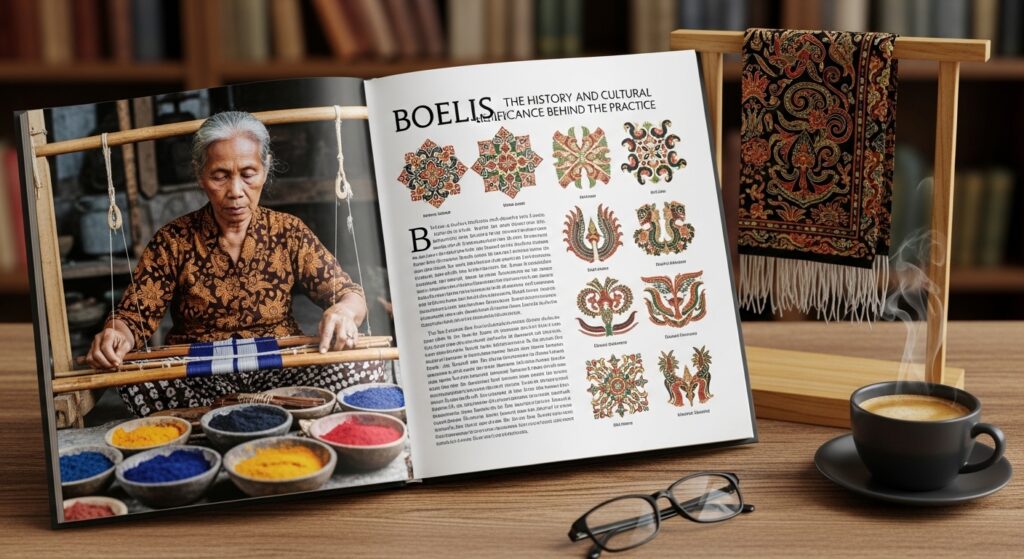
Boelis: The History and Cultural Significance Behind the Practice
Boelis is more than just a practice; it’s a rich tapestry woven through the threads of history and culture. Across various societies, this unique tradition has evolved into something that resonates deeply with those who embrace its significance. Whether you’re hearing about Boelis for the first time or are familiar with its roots, there’s an undeniable allure to understanding how it has shaped communities throughout time. Dive into the fascinating world of Boelis, where ancient customs meet contemporary interpretations, and discover why this practice remains relevant today.
The Origins of Boelis in Different Cultures
Boelis has roots that stretch across various cultures, each adding its unique flair. In ancient Greece, it was often associated with ritualistic celebrations and communal gatherings. These events fostered a sense of unity among participants.
In Africa, Boelis took on deeper spiritual meanings. It became a way to connect with ancestral spirits, reflecting the rich traditions of storytelling and oral history within many tribes.
Asian interpretations highlight balance and harmony. Certain practices incorporate Boelis into meditative rituals aimed at aligning one’s inner energy with nature’s rhythms.
The Middle East also embraces this concept through art forms like dance and music, where Boelis serves as an expression of cultural identity. Each region contributes its distinct nuances while celebrating the essence of togetherness inherent in Boelis traditions.
The Cultural Significance and Symbolism of Boelis
Boelis holds deep cultural significance across various communities. It is often seen as a bridge connecting the past to the present, preserving age-old traditions while adapting them for contemporary society.
The practice embodies resilience and unity. Many cultures use Boelis to foster connections among family members and friends, reinforcing social bonds. The rituals surrounding it often symbolize hope, renewal, and shared identity.
In visual arts and literature, Boelis finds representation through motifs that celebrate life’s cycles. These symbols evoke emotions tied to heritage and community spirit.
Beyond mere tradition, its essence encourages mindfulness in daily activities. Practitioners embrace the process with intention—transforming simple acts into meaningful expressions of their culture.
This rich tapestry of symbolism makes Boelis an integral part of celebrating diversity in human experience. Each interpretation adds layers of understanding to what this practice truly represents in our lives today.
Modern Day Practices and Adaptations of Boelis
Today, Boelis has evolved significantly from its traditional roots. Many practitioners have adapted the practice to fit contemporary lifestyles.
In urban settings, community gatherings often replace solitary rituals. These events create a sense of belonging and connection among participants. People share their experiences and insights about Boelis, fostering a supportive environment.
Technology also plays a role in modern adaptations. Social media platforms allow enthusiasts to exchange ideas, tips, and techniques on how to incorporate into daily routines. Online workshops provide access to expert guidance for those interested in deepening their understanding.
Additionally, there is a growing emphasis on mindfulness within practices today. By integrating meditation and reflection exercises, individuals find new ways to engage with this age-old tradition while promoting mental well-being.
These modern interpretations help keep the spirit of alive while making it relevant for today’s society.
Controversies Surrounding Boelis
Boelis has sparked considerable debate among practitioners and cultural critics alike. Some argue that the commercialization of Boelis undermines its traditional roots. As it gains popularity, there’s a risk of diluting its authentic meaning.
Additionally, debates arise about appropriation. Many believe that outsiders engaging in without understanding its significance can lead to misrepresentation. This raises questions about who truly owns these practices.
There are also concerns regarding health implications linked to some modern adaptations of rituals. Critics point out that certain practices may not align with contemporary wellness standards, leading to potential harm rather than benefits.
Furthermore, differing interpretations within cultures contribute to ongoing discussions around authenticity versus innovation. Tensions often surface between preserving tradition and evolving with modern times, igniting passionate exchanges within communities dedicated to Bolis.
Benefits of Incorporating Boelis into Daily Life
Incorporating Boelis into daily life can lead to profound transformations. This practice encourages mindfulness, allowing individuals to connect with their inner selves and the world around them.
Engaging in fosters a sense of community. Sharing experiences and rituals enhances bonds with others who appreciate its significance. These connections can improve mental well-being.
Furthermore, Boelis offers opportunities for self-expression. Whether through art, music, or storytelling, it provides an outlet for creativity that enriches everyday experiences.
Physical health benefits also arise from this practice. Many elements of involve movement and ritualistic activities that promote physical fitness and balance.
Embracing nurtures gratitude. Recognizing the small joys in life instills a positive mindset that echoes throughout one’s day-to-day interactions.
Embracing the Tradition of Boelis in Today’s World
Embracing the tradition of Boelis today involves integrating its rich history into our modern lifestyles. People are discovering ways to honor these customs while making them relevant.
Communities gather for celebrations that highlight traditional practices, creating bonds through shared experiences. Social media has also played a role in spreading awareness about allowing individuals to showcase their rituals and adaptations.
Incorporating elements of Boelis into daily life can take many forms—be it through art, music or even culinary traditions. These expressions foster creativity and connect us with our roots.
Moreover, younger generations are taking an active interest in learning about their heritage. They redefine what Bolis means for them while keeping the essence alive.
This blending of past and present nurtures appreciation for diverse cultures, enriching our understanding of humanity’s tapestry.
Conclusion
Boelis stands as a testament to the rich tapestry of human culture and tradition. Its roots run deep across various societies, each adding unique layers to its practice. The symbolism associated with carries profound meanings that resonate even today.
Modern adaptations reveal how flexible and resilient this tradition is. While some may argue about its relevance or authenticity, it’s clear that Boelis has found ways to integrate into contemporary life seamlessly. Many people have experienced benefits from incorporating its principles into their daily routines—be it for mindfulness, connection, or personal growth.
Embracing Boeli in today’s fast-paced world offers a chance to reconnect with ancient wisdom while fostering community bonds. This enduring practice encourages a deeper understanding of ourselves and those around us, enriching our lives in meaningful ways.
As we navigate through modern challenges, the essence of remains relevant—a bridge between past traditions and future possibilities. It invites everyone to explore not just the practices themselves but also the values they embody for generations present and yet to come.