
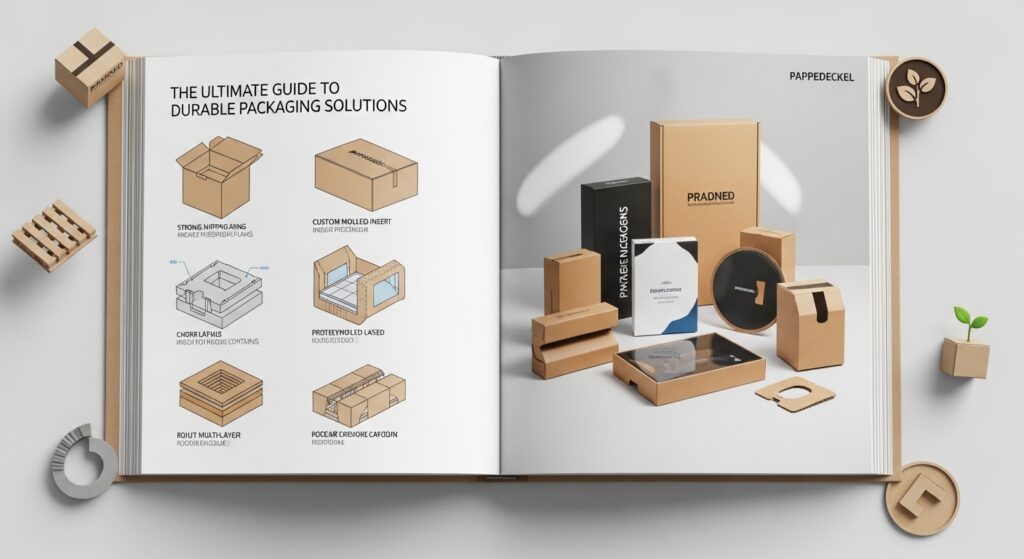
Pappedeckel: The Ultimate Guide to Durable Packaging Solutions
In today’s world, packaging is more than just a container—it defines first impressions, product safety, and sustainability. Among the various packaging options, Pappedeckel has emerged as a versatile and eco-friendly solution. Derived from the German term for cardboard lids or caps, Pappedeckel is widely used across industries, from food and beverages to electronics and gift packaging. Its strength, flexibility, and recyclability make it a popular choice for businesses aiming to reduce environmental impact while maintaining product quality.
This article explores the comprehensive world of Pappedeckel, examining its types, production methods, advantages, and practical applications. Whether you are a business owner, packaging designer, or eco-conscious consumer, understanding Pappedeckel can help make informed decisions about packaging solutions.
What is Pappedeckel?
Pappedeckel refers to a type of lid made from cardboard or layered paperboard. Unlike traditional plastic or metal lids, it combines sturdiness with lightweight properties. Pappedeckel is often paired with cardboard containers or trays, creating a completely recyclable and sustainable packaging unit.
The core materials used for Pappedeckel production include high-quality recycled paper, virgin pulp, and occasionally coatings to improve moisture resistance. These materials allow for flexibility in design and customization, enabling businesses to enhance brand visibility through printed logos, patterns, and textures.
Table 1: Comparison of Pappedeckel Materials
| Material Type | Durability | Eco-Friendliness | Moisture Resistance | Typical Use Cases |
|---|---|---|---|---|
| Recycled Cardboard | Medium | High | Low | Food trays, gift boxes |
| Virgin Pulp | High | Medium | Medium | Premium packaging |
| Coated Paperboard | High | Medium | High | Takeaway containers |
Types of Pappedeckel
Pappedeckel comes in several types depending on thickness, coating, and intended use. Understanding these types is crucial for choosing the right packaging solution.
Standard Pappedeckel
The standard type is commonly used for everyday packaging needs. It is cost-effective, lightweight, and easy to produce. Ideal for items like bakery products, confectioneries, and disposable containers, standard Pappedeckel provides basic protection while remaining eco-friendly.
Premium Pappedeckel
Premium Pappedeckel is thicker, more durable, and often coated for enhanced moisture resistance. It is used in high-end packaging applications, such as gourmet foods, electronics, and luxury gifts. Brands that emphasize premium quality often prefer this type because it offers both protection and a sophisticated appearance.
Custom Printed Pappedeckel
Printing technology allows for fully customized Pappedeckel designs. Businesses can include logos, brand messages, or decorative patterns, turning a simple lid into a marketing tool. Custom printing is commonly applied to limited-edition packaging, promotional products, and personalized gifts.
Advantages of Using Pappedeckel
The rise of Pappedeckel in modern packaging is no accident. Its unique advantages make it suitable for multiple industries and applications.
Sustainability and Eco-Friendliness
One of the primary benefits of Pappeeckel is its recyclable nature. Unlike plastic or foam lids, cardboard can be easily recycled and reused. For businesses aiming to reduce their carbon footprint, represents a practical step toward sustainability.
Cost-Effectiveness
Pappedekel offers a balance between quality and affordability. It is cheaper to manufacture than metal or custom plastic lids, yet still provides sufficient durability for most packaging needs.
Versatility in Design
The flexibility of cardboard allows designers to create a variety of shapes, sizes, and designs. Papedeckel can be die-cut, folded, or coated to match specific packaging requirements.
Table 2: Advantages Overview
| Advantage | Description |
|---|---|
| Eco-Friendliness | Fully recyclable and often made from recycled paper |
| Cost-Effectiveness | Affordable production costs compared to plastic or metal |
| Customization | Allows printing, embossing, and various finishes |
| Lightweight | Easy to transport and reduces shipping costs |
| Protective Quality | Provides adequate protection for products |
Common Applications of Pappedeckel
Pappedeckel is used in a wide range of industries, highlighting its versatility.
Food and Beverage Industry
In the food sector, Pappedckel is widely used for takeaway containers, bakery boxes, and trays. Its ability to protect food while maintaining recyclability is a major advantage. Coated is often preferred for liquids or greasy foods, as it prevents leakage and maintains structural integrity.
Retail and Consumer Goods
Retail packaging often requires both durability and visual appeal. Pappdeckel provides a premium feel without the environmental drawbacks of plastic or metal lids. Electronics, toys, cosmetics, and gift items are frequently packaged with cardboard lids to enhance presentation and sustainability.
Events and Promotions
Pappedckel is popular in event packaging, where branding and customization are critical. Customized printed lids can transform a simple package into a promotional piece, creating lasting impressions on consumers.
Table 3: Industry Use Cases
| Industry | Typical Products | Pappedeckel Type Used |
|---|---|---|
| Food & Beverage | Bakery, takeaways, snacks | Standard or coated |
| Retail & Consumer Goods | Electronics, toys, cosmetics | Premium or custom printed |
| Events & Promotions | Gift packaging, promotional items | Custom printed |
| E-commerce | Subscription boxes, packaging inserts | Standard or premium |
Manufacturing Process of Pappedeckel
Understanding the production process helps appreciate why is cost-effective and sustainable.
-
Material Preparation: High-quality recycled or virgin paper is pulped and pressed into sheets.
-
Cutting and Shaping: Sheets are cut to desired dimensions and die-cut if needed for custom shapes.
-
Coating (Optional): A protective layer may be added to improve moisture resistance and durability.
-
Printing and Branding: Logos, patterns, and designs are applied using digital or offset printing.
-
Quality Control: Finished lids are inspected for strength, uniformity, and design accuracy.
The streamlined production process ensures consistency and allows manufacturers to scale efficiently.
Design Considerations for Pappedeckel
When choosing Pappedeckel, several design factors should be considered:
-
Size Compatibility: Lids must fit containers precisely to prevent spillage or damage.
-
Material Thickness: Thicker enhances durability but may increase cost.
-
Surface Finish: Matte or glossy finishes can impact the perceived value of the product.
-
Printing Options: High-quality printing ensures brand visibility and aesthetic appeal.
Table 4: Design Checklist for Pappedeckel
| Factor | Consideration |
|---|---|
| Size | Ensure exact fit with containers |
| Material Thickness | Balance durability with cost |
| Surface Finish | Matte, glossy, or textured finish for brand appeal |
| Printing Options | Full-color, embossed, or limited printing options |
Environmental Impact of Pappedeckel
The global push for sustainable packaging makes Pappedeckel increasingly relevant. Cardboard lids reduce reliance on plastic, minimizing landfill waste and carbon emissions. Additionally, many products are made from post-consumer recycled materials, further contributing to environmental sustainability.
Recycling is straightforward: it can be disposed of with other paper products, and in most regions, recycling programs handle both coated and uncoated cardboard. For businesses, adopting Pappedeckel not only aligns with eco-conscious practices but also strengthens brand reputation among environmentally aware consumers.
Future Trends in Pappedeckel Packaging
As sustainability and personalization become more critical in packaging, Pappedeckel is expected to evolve:
-
Smart Packaging: Integration of QR codes or NFC chips for interactive consumer experiences.
-
Biodegradable Coatings: Development of coatings that enhance durability without compromising recyclability.
-
Enhanced Printing Techniques: More sophisticated printing methods to improve visual impact and customization.
-
Industry-Specific Designs: Tailored solutions for pharmaceuticals, e-commerce, and perishable goods.
These trends indicate that will remain a staple in sustainable and innovative packaging for years to come.
Conclusion
In conclusion, Pappedeckel represents a perfect blend of durability, sustainability, and design flexibility. Its applications span across multiple industries, from food service to luxury retail, making it a versatile packaging solution. The benefits of include environmental friendliness, cost-effectiveness, customizability, and protective quality, all of which make it an ideal choice for modern businesses.
By adopting Pappedeckel, companies can enhance their brand image, contribute to sustainability goals, and meet consumer expectations for responsible packaging. Whether for everyday food containers or premium gift packaging, Pappedeckel proves to be an innovative and practical choice in the competitive packaging landscape.