
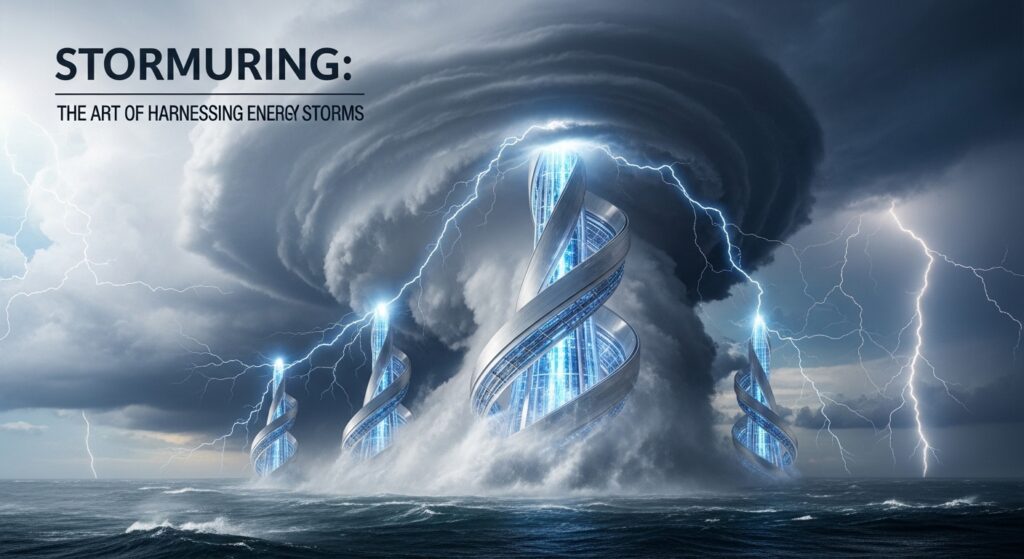
Stormuring: The Art of Harnessing Energy from Storms
Imagine a world where storms are not just forces of nature to be feared, but powerful allies in our quest for sustainable energy. Welcome to Stormuring—a revolutionary concept that transforms the chaotic energy from storms into usable power. This innovative approach blends cutting-edge technology with an understanding of natural phenomena, offering a glimpse into how we can harness nature’s fury rather than merely weathering it. As climate change continues to challenge traditional energy sources, stormuring emerges as a promising solution that could redefine our relationship with the environment and reshape the future of renewable energy. Curious about how this fascinating process works? Let’s dive deeper into the art and science behind stormuring!
Definition and origin
Stormuring is an innovative approach to energy generation, focusing on harnessing the raw power of storms. The term blends “storm” with “engineering,” emphasizing the art and science behind capturing atmospheric energy.
This concept emerged from a growing need for sustainable energy solutions. As traditional resources become scarcer, alternative methods gain attention. Storms present a massive opportunity due to their intense wind speeds and precipitation potential.
The idea traces back to early experiments in weather manipulation and renewable energy technologies. Researchers sought ways to tap into these natural phenomena without disrupting ecosystems or causing harm.
By combining advanced technology with nature’s fury, stormuring aims not just at efficiency but also at sustainability. Emerging from various fields like meteorology, engineering, and environmental science, it embodies a collaborative effort towards cleaner energy sources while respecting our planet’s delicate balance.
How it differs from traditional energy sources
Stormuring sets itself apart from traditional energy sources like fossil fuels and solar power. While conventional methods rely heavily on stable weather conditions, stormuring thrives in unpredictable environments.
Fossil fuels contribute to pollution and climate change. Stormuring, conversely, offers a cleaner alternative by tapping into nature’s raw power without harmful emissions.
Unlike solar panels that require sunlight or wind turbines needing steady breezes, stormuring captures energy during chaotic weather events. This adaptability allows for more consistent energy generation despite fluctuating environmental factors.
Moreover, stormuring can be deployed in various locations where storms frequently occur. This flexibility opens up new avenues for energy production in regions previously overlooked by traditional systems.
The Power of Storms:
Storms are nature’s most powerful forces. They unleash energy that can illuminate entire cities or disrupt daily life. Understanding this immense potential is crucial for innovative energy solutions.
Tornadoes and hurricanes are prime examples of storms packed with kinetic energy. Their winds can reach astonishing speeds, creating opportunities to harness that power. Even thunderstorms hold promise; lightning alone generates vast amounts of electricity in fractions of a second.
Rainfall also contributes to storm energy, especially when combined with runoff systems designed for collection. The synergy between wind, rain, and electrical discharges presents a unique opportunity for renewable resources.
Harnessing the power of storms isn’t just about capturing their ferocity; it’s about transforming chaos into sustainable energy solutions that benefit our planet. This approach not only addresses current challenges but opens new avenues for future advancements in green technology.
Understanding the immense energy potential of storms
Storms are nature’s raw powerhouses, brimming with untapped energy. From thunderous winds to torrential rains, they unleash forces that can be harnessed for sustainable energy.
Consider hurricanes; their strong winds can generate significant kinetic energy. A single storm could produce enough power to fuel thousands of homes for weeks.
Tornadoes and thunderstorms also contribute immense potential. The updrafts within these systems create a dynamic environment ripe for energy extraction.
Lightning, often overlooked, holds tremendous promise too. Each bolt carries millions of joules—enough to energize entire cities for moments at a time.
Understanding how to capture this chaotic might is an evolving field in renewable technology. As scientists explore innovative methods, the prospect of stormuring beckons as a viable solution in our quest for cleaner energy sources.
Types of storms that can be harnessed for energy
Storms come in various forms, each offering unique energy potential. Hurricanes are among the most powerful. Their high winds can generate massive amounts of kinetic energy.
Thunderstorms also play a crucial role in stormuring. These storms produce lightning, which carries significant electrical energy that can be captured and stored.
Tornadoes, while less predictable, present another opportunity. Their intense winds create localized power surges that could be harnessed with the right technology.
Cyclones represent another formidable force worth exploring. Like hurricanes, they possess immense rotational energy that can contribute to sustainable power generation.
Even winter storms have potential; their heavy snowfall and ice accumulation drive innovative methods for thermal energy capture through geothermal systems or snow-melt technologies.
With advancements in engineering and environmental science, these diverse storm types hold promise for a future fueled by nature’s fury.
The Process of Stormuring:
Stormuring involves a blend of cutting-edge technology and innovative strategies. At its core, it captures the raw energy from storms using specialized equipment designed to withstand extreme conditions.
The process begins with the installation of sensors that detect storm patterns. These sensors gather data on wind speed, lightning activity, and atmospheric pressure. Once these parameters are assessed, turbines or other capturing devices are deployed in strategic locations.
Next comes the conversion phase. The kinetic energy generated by winds is transformed into electrical energy through advanced generators. This electricity can then be stored for future use or transmitted directly to power grids.
Regular maintenance ensures efficiency and reliability as weather conditions fluctuate. The dynamic nature of storms requires constant monitoring to optimize energy capture while minimizing risks associated with severe weather events.
Overview of the technology and equipment used
Stormuring relies on advanced technology to capture the raw power of nature. At its core, specialized turbines are designed to withstand extreme weather conditions. These turbines convert kinetic energy from wind into electricity.
Sensors play a crucial role as well. They monitor storm patterns and intensity in real-time, allowing for precise predictions of when and where energy can be harvested most effectively.
Drones equipped with atmospheric sensors also aid in data collection. They assess storm structures from above, providing valuable insights that help optimize energy extraction processes.
Another important component is storage technology. Effective battery systems store excess energy generated during storms for later use, ensuring a consistent power supply even when the skies clear.
This combination of equipment makes stormuring not only innovative but essential for tapping into renewable resources that were once seen as too unpredictable to harness efficiently.
Steps involved in harnessing storm energy
Harnessing storm energy involves several critical steps that ensure the effective capture of this powerful resource.
First, advanced meteorological technology is used to predict storm patterns. This allows for strategic placement of equipment in areas where storms are likely to occur.
Next, specialized turbines or kinetic energy collectors are deployed. These devices convert wind and water movement into usable electrical energy.
During a storm, sensors monitor environmental conditions continuously. Real-time data helps optimize the performance of the harnessing systems.
Once collected, the energy is transmitted through grid connections or stored in batteries for later use. Proper infrastructure ensures that this renewable source can be integrated seamlessly into existing power networks.
Ongoing maintenance is crucial to ensure efficiency and safety as these technologies endure harsh weather conditions during storms.
Benefits and Challenges:
Stormuring offers several environmental benefits. It taps into the raw energy of nature without depleting fossil fuels. This renewable source reduces greenhouse gas emissions, contributing to a healthier planet.
Furthermore, storm energy can create local jobs in installation and maintenance. Communities can thrive economically while embracing sustainable practices.
However, challenges exist. Storms are unpredictable; relying solely on them for energy might lead to inconsistencies in supply. Infrastructure costs for harnessing this energy can be high initially.
Additionally, there’s concern about environmental impact on ecosystems during setup and operations. Balancing these factors is crucial as society explores the potential of stormuring for future power needs.
Environmental benefits of storm
Harnessing energy from storms offers remarkable environmental benefits. Unlike fossil fuels, stormuring produces clean energy without harmful emissions. This helps reduce our carbon footprint.
Moreover, it utilizes natural phenomena that would otherwise go to waste. Storms generate significant power; tapping into this resource means less reliance on non-renewable sources.
Stormuring can also contribute to local ecosystems by minimizing land disruption. The technology often requires smaller footprints than traditional power plants, preserving more natural habitats.
Furthermore, utilizing storm energy can enhance resilience against climate change impacts. By diversifying our energy portfolio with renewable sources like storm-based systems, we create a more sustainable future for generations to come.
This approach not only addresses the immediate need for greener energy but fosters long-term ecological balance as well.
Conclusion
Stormuring offers an innovative approach to energy generation by tapping into the sheer power of storms. As we face increasing demands for sustainable energy solutions, this method presents a promising alternative to traditional sources. The potential harnessed from various storm types—be it hurricanes, thunderstorms, or even tornadoes—is immense and largely untapped.
While the technology involved is still developing, its benefits are noteworthy. Stormuring could lead to cleaner air and reduced reliance on fossil fuels. However, challenges remain in terms of equipment durability and safety during extreme weather conditions.
As our understanding of storms deepens and technology advances, stormuring may become a key player in the future of renewable energy. It stands as a testament to human ingenuity—a way to coexist with nature’s forces while benefiting from their raw power.