
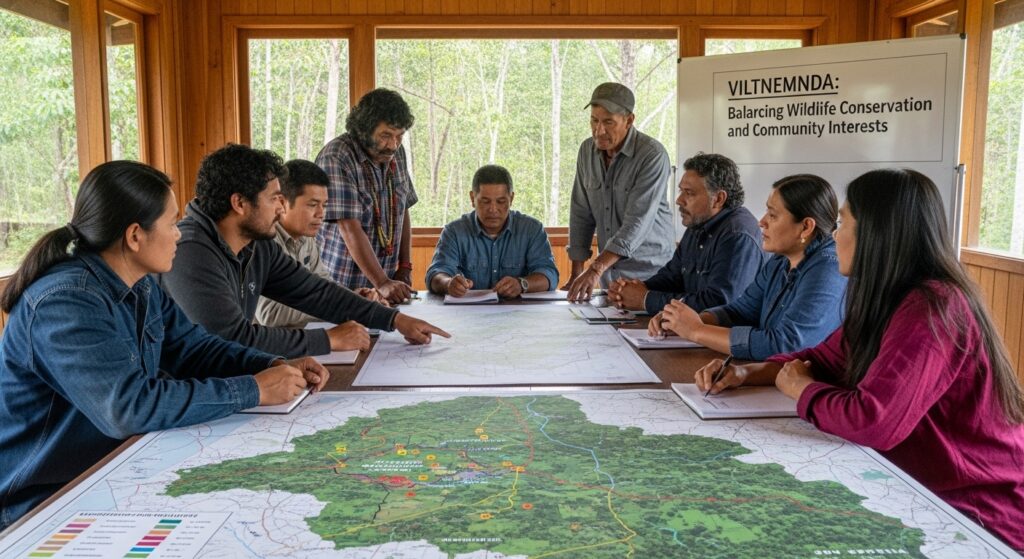
Viltnemnda: Balancing Wildlife Conservation and Community Interests
Wildlife conservation is a pressing issue that demands attention, especially as human activities continue to encroach on natural habitats. In Norway, one of the key players in managing this delicate balance is Viltnemnda—local wildlife management boards dedicated to ensuring sustainable practices while respecting community needs. These groups are tasked with protecting diverse species and ecosystems, all while navigating the complexities of local interests. The work they do is crucial for maintaining harmony between nature and society, but it’s not without its challenges. What does it truly mean to manage wildlife effectively? Join us as we explore the vital role of Viltnemnda in fostering coexistence between wildlife conservation and community values.
Purpose and Responsibilities of Viltnemnda
Viltnemnda plays a crucial role in managing wildlife resources effectively. These Wildlife Management Boards are designed to ensure the sustainable use of animal populations while safeguarding biodiversity.
One key purpose is to establish guidelines for hunting and fishing regulations. This helps maintain ecological balance, ensuring that species do not become overexploited or endangered.
Additionally, Viltnemnda serves as a mediator between local communities and conservation efforts. They gather input from residents about their experiences with wildlife, which informs decision-making processes.
Education also falls under their responsibilities. By raising awareness about the importance of conservation, Viltnemnda fosters respect for natural habitats among community members.
These boards aim to harmonize human activities with wildlife preservation efforts. The delicate interplay between community needs and environmental protection makes this task both vital and challenging.
Challenges Faced by Viltnemnda in Balancing Wildlife Conservation and Community Interests
Viltnemnda faces a complex landscape of challenges while trying to harmonize wildlife conservation with community interests. Conflicts often arise between protecting vulnerable species and the needs of local farmers or landowners.
For instance, when large herbivores like deer or moose wander into agricultural areas, they can cause significant crop damage. Farmers may push for culling these animals to safeguard their livelihoods, creating tension.
Additionally, hunting regulations can spark heated debates within communities. While many see responsible hunting as a tool for managing populations, others view it as detrimental to local ecosystems.
Limited funding also complicates matters. Viltnemnda must stretch resources thin across various initiatives while grappling with increasing public demand for transparency and engagement in decision-making processes.
Balancing these diverse perspectives requires continuous dialogue and negotiation—a task that is rarely straightforward but essential for finding common ground.
Case Studies: Successful Balancing Acts by Viltnemnda
One notable case study is in a region where deer populations had skyrocketed. The Viltnemnda implemented controlled hunting seasons, which not only reduced the deer numbers but also allowed local hunters to engage with wildlife sustainably. This initiative led to healthier ecosystems while respecting traditions.
Another successful example involved integrating agricultural interests with conservation efforts. A Viltnemnda partnered with farmers to create wildlife corridors on their lands, promoting biodiversity while ensuring crop safety. Farmers reported increased pollinator activity and improved yields as a result.
In coastal areas, Viltnemnda took steps to protect seal colonies through educational programs aimed at fishermen. These initiatives fostered understanding of marine life’s role in the ecosystem and encouraged sustainable fishing practices without alienating local communities.
These case studies highlight how collaborative approaches can yield positive outcomes for both wildlife and people alike.
Community Involvement and Collaboration with Viltnemnda
Community involvement is crucial for the success of Viltnemnda. Local residents possess invaluable knowledge about their environment and wildlife, which can greatly inform management practices.
Engaging communities fosters transparency and trust. When people feel included in decision-making processes, they are more likely to support conservation initiatives.
Viltnemnda often holds workshops and public meetings to gather input from local stakeholders. These gatherings allow individuals to voice concerns and share ideas on how best to balance ecological needs with community interests.
Collaborative efforts can also include partnerships with schools and local organizations. Educational programs raise awareness about wildlife issues while encouraging stewardship among younger generations.
Moreover, by actively involving communities in monitoring wildlife populations or habitat restoration projects, Viltnemnda strengthens ties between nature conservation and everyday life. This sense of ownership leads to a shared responsibility for preserving biodiversity while respecting human needs.
Potential Solutions for Resolving Conflicts between Conservation and Community Interests
Engaging local communities in the decision-making process can bridge gaps between conservation efforts and their needs. When individuals feel heard, they are more likely to support wildlife initiatives.
Education plays a vital role. Workshops focused on both wildlife benefits and community concerns can foster understanding. This knowledge empowers residents to see the bigger picture beyond immediate interests.
Incentives for sustainable practices also provide a win-win situation. Offering financial rewards for responsible land use encourages harmony with nature while benefiting the economy.
Collaboration with local stakeholders is crucial too. By forming partnerships among government agencies, NGOs, and community members, diverse perspectives lead to innovative solutions that respect both wildlife and human livelihoods.
Regular assessments of policies ensure adjustments based on feedback from all parties involved. This dynamic approach keeps lines of communication open, allowing for adaptive management strategies that reflect changing circumstances in both conservation goals and community needs.
The Importance of Collaborative Efforts for
Collaborative efforts play a pivotal role in the success of Viltnemnda. When communities and wildlife experts come together, they create a stronger foundation for decision-making. This partnership fosters trust and transparency among stakeholders.
Effective cooperation encourages shared knowledge about local ecosystems. Community members often have valuable insights into animal behaviors and habitat needs that can inform conservation strategies.
Moreover, collaboration helps address conflicts head-on. By bringing various perspectives to the table, Viltnemnda can find solutions that satisfy both conservation goals and community interests.
This synergy not only enhances wildlife management but also empowers communities. Engaged citizens feel invested in their environment, leading to higher levels of compliance with regulations designed to protect biodiversity.
Involving everyone creates a sense of ownership over natural resources. When people work together toward common goals, both wildlife and human communities thrive harmoniously.
Conclusion
The role of Viltnemnda in wildlife management is critical. These boards serve as a bridge between the ecosystems they protect and the communities that rely on them. Their responsibilities are vast, from overseeing hunting regulations to implementing conservation strategies that benefit both wildlife and local interests.
However, conflicts often arise when community needs clash with environmental preservation efforts. The delicate balance of safeguarding biodiversity while respecting local traditions and economies poses ongoing challenges for Viltnemnda.
Despite these hurdles, numerous case studies demonstrate successful partnerships where Viltnemnda has effectively navigated competing interests. By fostering open dialogues within communities, involving stakeholders early in decision-making processes, and tailoring solutions to fit regional contexts, these boards have set examples worth emulating.
Community involvement is not merely an add-on but rather essential to ensuring sustainable outcomes. Collaborative relationships foster understanding and resilience against future challenges. When locals feel heard and valued in discussions about their environment, they become invested stewards of their natural resources.
Potential solutions may include more transparent communication channels or innovative approaches like co-management agreements that recognize both conservation goals and community rights. Through sustained collaboration between different sectors—government agencies, non-profits, scientists—and residents themselves lies the pathway toward harmonious coexistence.
The journey toward effective wildlife management demands collective effort from all involved parties. As Viltnemnda continues to evolve alongside changing social dynamics and ecological realities, adapting practices will be key to achieving long-term success for both wildlife populations and human communities alike.