
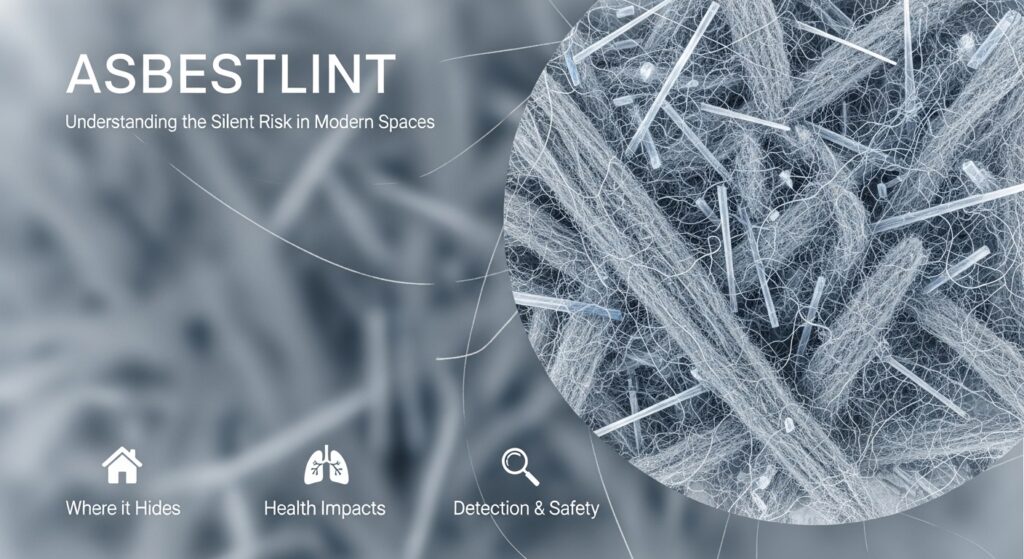
Asbestlint: Understanding the Silent Risk in Modern Spaces
In the heart of a bustling city, a renovation project was underway in an old office building. Workers were stripping away layers of walls and ceilings, uncovering materials that had been hidden for decades. Among the dust and debris, one substance stood out as particularly hazardous: asbestlint. Most people had heard of asbestos in passing, yet few realized how easily tiny fibers like asbestlint could infiltrate homes, offices, and public spaces, posing serious health risks if left unchecked.
What Is Asbestlint and Why It Matters
Asbestlint refers to the fine, often invisible fibers released from asbestos-containing materials when they deteriorate or are disturbed. Unlike intact asbestos sheets or panels, these microscopic threads can float in the air and settle on surfaces, making them particularly insidious. Their danger is compounded by the fact that exposure often goes unnoticed until health complications appear, sometimes decades later.
In practical terms, asbestlint can be found in older construction materials such as ceiling tiles, insulation, floor underlays, and even certain fabrics used for fireproofing. Its presence is not just a historical concern; even contemporary buildings can unknowingly harbor remnants from past renovations or improperly disposed materials.
Health Implications of Asbestlint Exposure
Medical research consistently highlights the serious health risks associated with asbestos fibers, including asbestlint. When inhaled, these fibers can lodge deep in lung tissue, causing inflammation, scarring, and in some cases, malignancies such as mesothelioma or lung cancer. Symptoms often take years to manifest, which is why preventive measures are critical.
Occupational exposure remains the most common route for high-level contact, affecting construction workers, demolition crews, and maintenance personnel. However, secondary exposure—through household dust or contaminated clothing—also presents a significant risk. This is why awareness and proactive management of asbestlint are essential in both professional and domestic environments.
Real-World Cases and Lessons Learned
Consider the case of a school in Northern Europe where renovation teams discovered hidden asbestos insulation in the ceiling cavities. Despite stringent safety protocols, minor fibers of asbestlint were released, prompting temporary closure and extensive air-quality testing. The incident underscored the importance of treating all older buildings as potentially hazardous and demonstrated how even minimal exposure can demand significant intervention.
Similarly, private homeowners often underestimate the risk during DIY renovations. Removing old floor tiles or peeling back insulation without proper safety equipment can release asbestlint into the indoor environment, putting both the household and neighboring units at risk.
Detecting and Managing Asbestlint
Detecting asbestlint requires specialized equipment and expertise. Air sampling and laboratory analysis are standard methods used by environmental health professionals. Unlike visible debris, the fibers are microscopic, meaning they can remain suspended for hours and travel beyond the immediate work area.
Once identified, containment and removal should follow strict regulatory guidelines. Sealing affected areas, using HEPA filtration vacuums, and wearing personal protective equipment (PPE) are all essential. It’s critical that untrained individuals avoid attempting removal, as improper handling can exacerbate exposure risks.
| Aspect | Recommended Action | Notes |
|---|---|---|
| Airborne Fiber Control | Use HEPA air scrubbers and filtration systems | Ensures minimal spread during removal |
| Personal Protection | Respirators, gloves, disposable suits | Reduces direct contact with fibers |
| Material Disposal | Certified asbestos waste disposal | Prevents environmental contamination |
| Regular Monitoring | Periodic air and surface testing | Confirms containment effectiveness |
Regulatory and Professional Guidance
Across many countries, asbestos management is tightly regulated. Professionals in building maintenance, construction, and demolition are often required to hold certifications for asbestos handling. Public guidelines emphasize risk minimization, including prohibitions on certain DIY removal practices.
For building owners and managers, compliance isn’t just about legal responsibility; it’s also about protecting employees, tenants, and the broader community. Understanding the risks associated with asbestlint and implementing structured response plans can prevent costly liabilities and safeguard long-term health.
The Broader Perspective: Why Awareness Matters
Asbestlint is not just an occupational hazard; it’s a public health concern that touches homes, schools, and workplaces alike. Modern architecture may integrate legacy materials, meaning vigilance is necessary even in seemingly new constructions. Awareness campaigns, professional inspections, and careful renovation practices all play a crucial role in mitigating risks.
For entrepreneurs and facility managers, treating asbestos-related issues proactively can translate into operational continuity, regulatory compliance, and enhanced reputation. Ignoring the problem, on the other hand, can result in litigation, health crises, and significant remediation costs.
Conclusion
As asbestlint continues to pose an often invisible threat, understanding, detection, and prevention are key. By integrating expert guidance, adhering to regulatory frameworks, and fostering public awareness, we can manage this risk effectively. The story of the old office building serves as a reminder: what’s unseen can still be hazardous, and responsible action today protects the health of tomorrow.