
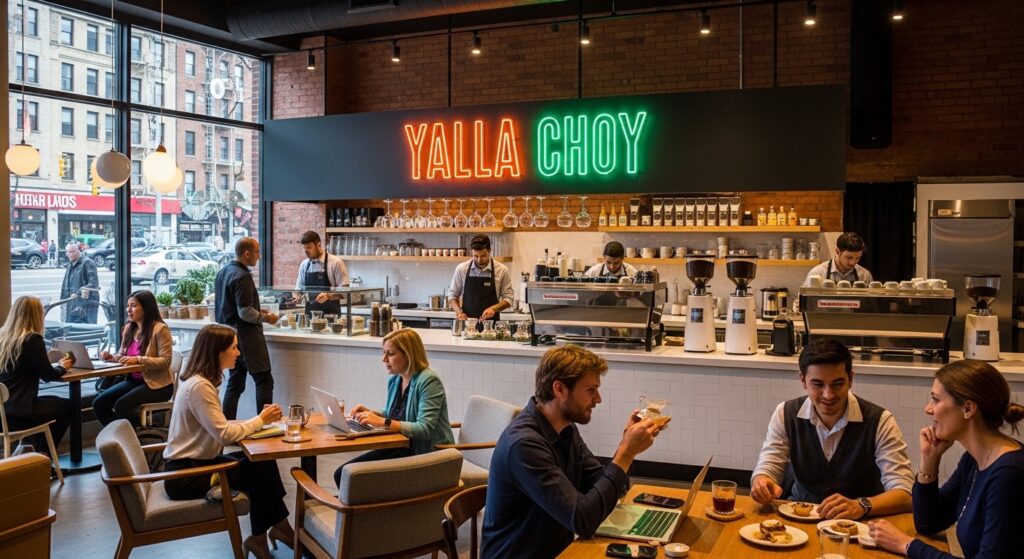
Yalla Choy: Brewing Connection in a Modern World
It was late afternoon when Leila stepped into a tiny café tucked away on a bustling street corner. The aroma of freshly steeped tea hit her first, followed by the low murmur of conversations—friends laughing, colleagues debating, strangers quietly reading. She ordered a cup of yalla choy, a drink she had heard about but never truly understood. The moment the warm, slightly spiced tea touched her lips, something clicked. It wasn’t just the taste—it was the experience: the way it invited her to slow down, to engage, to savor a moment that felt both intimate and communal.
In a world where digital screens dominate our interactions and fast-paced lifestyles leave little room for reflection, yalla choy has emerged as more than just a beverage. It is a cultural ritual, a social lubricant, and a quiet rebellion against the relentless hum of modern life. But what exactly is yalla choy, and why has it begun to captivate people far beyond the cafés of its origins?
From Tradition to Trend
Yalla choy traces its roots to Middle Eastern and South Asian tea traditions, where the act of brewing and sharing tea has long been a central element of hospitality. Unlike instant teas or commercial blends, yalla choy emphasizes freshness, quality, and customization. Ingredients often include loose-leaf black tea, aromatic spices such as cardamom and cinnamon, and sometimes even floral notes like rose or hibiscus. Each cup is crafted with intention, a mindful pause that connects the drinker to both the history of the beverage and the people they share it with.
Experts in cultural gastronomy argue that beverages like yalla choy are not just about flavor—they carry sociocultural significance. Dr. Amira Khalil, a food anthropologist, notes, “Sharing a cup of tea has historically been a form of social currency. It communicates respect, patience, and attention to detail. In contemporary urban life, yalla choy revives these values in a context that feels accessible and modern.”
The Science Behind the Sip
Beyond its cultural allure, yalla choy offers tangible benefits. Tea, particularly varieties rich in antioxidants, supports cardiovascular health, aids digestion, and can boost mental clarity. The spices commonly used in yalla choy—cardamom, cinnamon, ginger—add not only depth of flavor but also anti-inflammatory and metabolism-supporting properties.
| Component | Benefit | Notes |
|---|---|---|
| Black Tea | Rich in antioxidants, improves alertness | Contains moderate caffeine |
| Cardamom | Aids digestion, freshens breath | Often paired with honey or sugar |
| Cinnamon | Anti-inflammatory, supports blood sugar | Enhances natural sweetness |
| Ginger | Eases nausea, boosts circulation | Can be strong; adjust to taste |
| Rose/Hibiscus | Calming effect, adds subtle tartness | Optional; often used for aroma and color |
For wellness-focused professionals, yalla choy represents a balance: it satisfies the need for a comforting ritual while offering subtle functional benefits. Unlike highly caffeinated drinks or artificially flavored beverages, it encourages mindfulness and slows the pace of consumption—a small but meaningful counterpoint to an otherwise hectic routine.
Yalla Choy and the Digital Age
It’s fascinating how yalla choy, despite its deep roots, has become a modern phenomenon. Social media platforms are awash with carefully curated photos of steaming cups adorned with delicate spices, while cafes brand themselves as “yalla choy lounges” offering an experience as much as a drink. The trend speaks to a universal desire: a moment of authenticity in an era dominated by screens and notifications.
Digital entrepreneurs have noticed the appeal. Startups are leveraging the yalla choy experience to create community-driven brands, pairing high-quality teas with apps that encourage social meetups, tea workshops, or subscription services. This blending of tradition and technology demonstrates that cultural rituals need not be static—they evolve, adapting to new contexts while preserving their essence.
Brewing Your Own Yalla Choy
For those curious to integrate yalla choy into daily life, the process itself is part of the charm. It begins with selecting high-quality loose-leaf tea. Fresh water is brought to a near-boil, then poured over the leaves and spices, steeping for several minutes to release the full aroma. Sweeteners like honey or date syrup may be added, but the goal is always balance: the spices should complement, not overpower, the tea itself.
The preparation ritual mirrors its intended experience. Pouring tea into small cups, inhaling the fragrance, and savoring the warmth—these steps transform a simple beverage into a mindful pause. It’s easy to see why cafés emphasize the presentation of yalla choy: the visual appeal, the ritualized pour, and the careful layering of flavors all contribute to a sense of ceremony.
Yalla Choy as a Networking Tool
Interestingly, yalla choy has found its way into professional spaces as well. In co-working hubs and creative offices, tea corners have replaced generic coffee machines, subtly shifting the office culture toward slower, more deliberate social interactions. Sharing a cup of yalla choy becomes a natural conversation starter, a way to bridge hierarchical gaps and foster collaboration.
Leila, who had first tried yalla choy in that café, later introduced it to her startup team. “It’s remarkable,” she said, “how something as simple as tea can change the energy in a room. People linger, exchange ideas, and somehow the conversation feels richer.” This is not coincidental. Social psychologists highlight that shared rituals, even small ones, strengthen trust and group cohesion—exactly the kind of environment that encourages innovation and creativity.
Global Appeal and Local Adaptations
While yalla choy originated in specific cultural contexts, its global adoption has encouraged adaptations. In New York, London, and Dubai, bars now offer fusion versions infused with matcha, turmeric, or oat milk. These variations respect the tradition while catering to local palates, demonstrating how culinary practices evolve while remaining rooted in their original spirit.
Such adaptations illustrate a broader trend: consumers are no longer content with generic options. They seek meaningful experiences that connect them to culture, wellness, and craftsmanship. Yalla choy is a prime example of how authenticity and innovation can coexist, creating a product that resonates across demographics.
The Business of Yalla Choy
For entrepreneurs, yalla choy represents both opportunity and challenge. The market for specialty teas is growing, but success depends on understanding the story behind the beverage as much as the flavor profile. Brands that educate consumers about sourcing, preparation, and cultural context tend to build more loyal followings than those relying solely on trendiness or packaging.
A strategic approach may include: sourcing high-quality tea leaves directly from farmers, incorporating interactive workshops, offering subscription services with curated blends, and maintaining an authentic narrative around the product. Transparency and storytelling are critical—they turn a simple beverage into a lifestyle choice.
Looking Forward: The Future of Tea Rituals
As urban life accelerates, rituals like yalla choy serve as anchors. They remind us that even in the midst of deadlines, meetings, and endless notifications, there is value in pausing. Beyond taste or health benefits, these rituals foster connection—between individuals, communities, and cultures.
In the coming years, we may see more integration of traditional beverages into digital-first lifestyles, from augmented reality tea experiences to AI-assisted personalized blends. Yet, the essence of yalla choy will likely remain unchanged: a shared moment of warmth, flavor, and presence. It’s a quiet rebellion against the pace of modern life, a reminder that slowing down can be both restorative and inspiring.
Leila still thinks of that first sip as she navigates her busy schedule. choy isn’t just a drink; it’s a lens through which she perceives life—a balance of tradition, mindfulness, and connection that even the busiest urban routine cannot erase.